根鼓風機製造商

消息

羅茨鼓風機壓縮機啟動前檢查表

羅茨鼓風機壓縮機啟動前檢查表 & Safe Startup Procedure: Protect Your Equipment, Your Team, and Your Uptime

Why the First 30 Minutes Decide the Next 5 Years of Your Roots Blower Compressor’s Life

If you manage a roots blower​ compressor in wastewater aeration, 氣動輸送, 沼氣, or vacuum applications, you already know: these machines punish bad startups.

They’re positive displacement devices. Close the discharge too fast, forget the bypass valve, or start against pressure — and internal compression spikes, rotors heat, belts overload, and motors trip. In the worst cases, you’re looking at casing distortion, seal failure, or a burned motor before the shift ends.

That’s why every professional startup follows one rule: never let a Roots blower compressor see load until you’ve proven it’s healthy at zero pressure.

Below is the field-tested Part 3 pre-operation sequence​ many plants document into their SOP — expanded with the engineering details that actually prevent downtime.

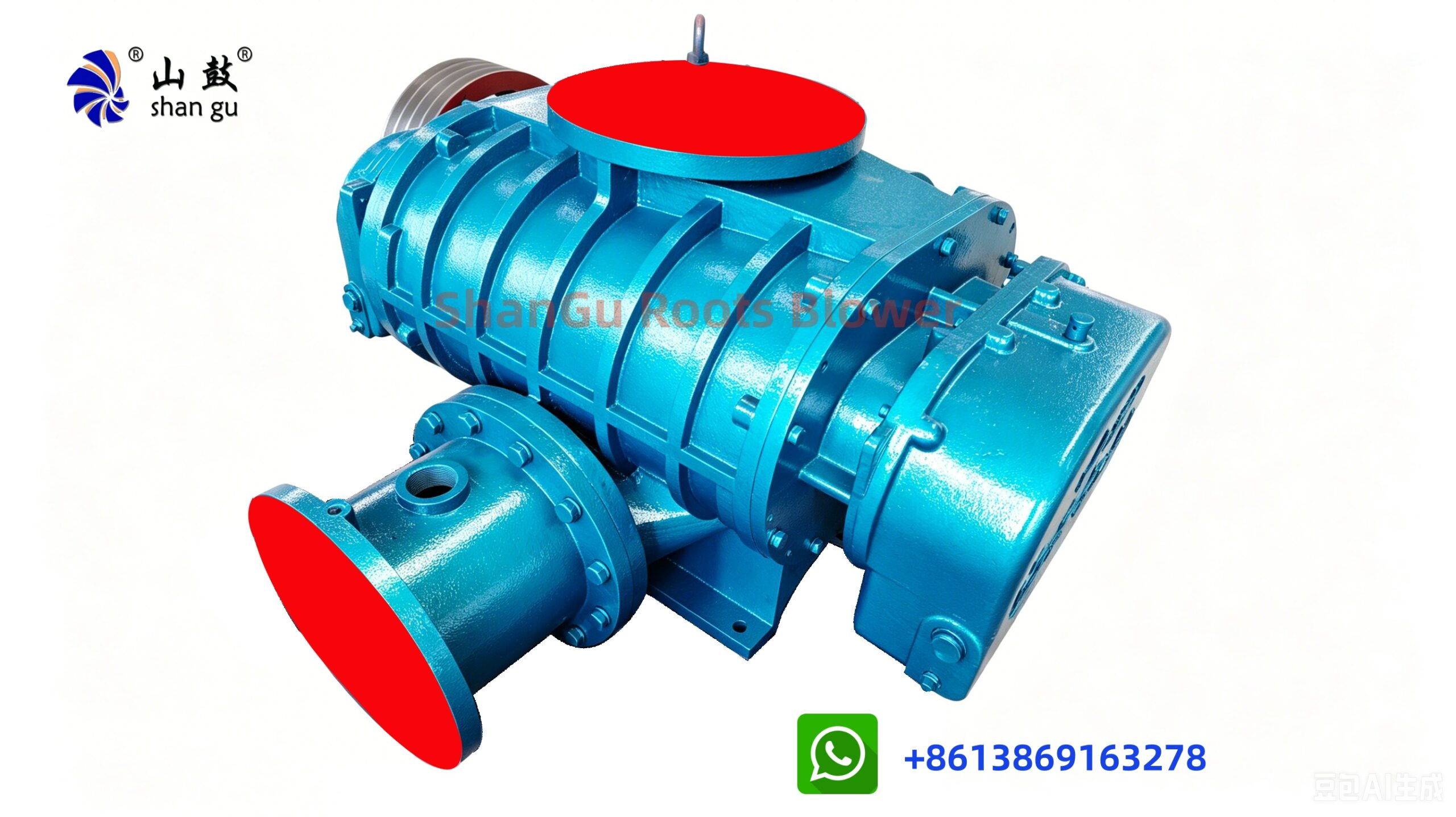
roots blower compressor

✅ Roots Blower Compressor Pre-Start Checklist (Do This Before You PressOn”)

1) Manual Turn / Mechanical Freedom Check for roots blower compressor

  • Hand-rotate the pulley or coupling by ≥360°號 (preferably several full turns, both directions if access allows).
  • Feel for:
    • smooth rotation — no hard spots, no metallic scrape,
    • no grittysandfeeling at bearings,
    • no sudden lock-up.
  • 為什麼:​ Internal debris, bearing preload issues, or rotor contact show up here — beforeyou energize anything. If rotation feels wrong, stop and inspect. Don’ttry it anyway.

2) Roots Blower Compressor Bypass / Relief / Blow-off Valve Must Be FULL OPEN

  • Verify the bypass (blow-off / vent-to-atmosphere / discharge relief) valve is fully open​ before startup.
  • All manual isolation valves in the immediate suction/discharge train should be in the safe starting position​ per your P&ID (usually: suction open, discharge routed through bypass).

⚠️ Rule of thumb:​ If the blower can push against a closed pipe, you’re not starting a blower — you’re building a pressure bomb. 這 根鼓風機​ compressor relies on your keeping the outlet path open until it’s running.

3)Roots Blower Compressor Cooling Water Before You Run (Water-Cooled Models Only)

  • Open cooling water supply → confirm flow/pressure at the outlet.
  • Verify no leaks at jackets, fittings, or hose tails.
  • Never​ run a water-cooled unit dry, 和 never​ shut off cooling while the casing is still hot.

4) Roots Blower Compressor Point-Start (“Bump”) to Verify Rotation — Then Confirm Direction

  • With the bypass still open號 (no-load):
    • Do a momentary point-run號 (energize & immediately cut).
    • Face the pulley or coupling squarely.​ The rotation must match the direction arrow​ on the belt guard / 套管.
  • If it spins backwards:
    • Swap any two phases (or correct VFD direction logic) — do NOT try tofix itby closing valves.
    • Reverse rotation can upset lubrication paths, timing-gear loading assumptions, and — in system layouts with check valves — create dangerous reverse-flow scenarios.

🟢 No-Load Commissioning Phase (The 30-MinuteProve ItWindow)

Once rotation is confirmed and bypass remains open:

  1. Start the 根鼓風機​ normally.
  2. Let it run ≥ 20–30 minutes​ under genuine no-load / bypass-open 狀況.
  3. During this window, walk the machine systematically:
What to Watch Green Zone Red Flag → Stop
Lubrication Oil level steady at sight glass; no foam overflow; oil return visible if gear-type Sudden oil loss, milky emulsion, hot gearbox skin temp rising fast
Leaks Zero oil seep at seals/gaskets; zero air hiss at flange joints Active drip, spray pattern, or air leak at casing split
噪音 / 振動 Steady lobe-passing tone; no knocks; bearing cap vibration feelssmooth-rough,” notsharp Metallic scrape, rhythmic knock, rapid amplitude climb
Bearings / Temps Warm, not scalding; no localized hot spot Bearing too hot to touch within minutes; sudden temp spike
Motor Current well below rated FLA at no-load Motor pulling unexpected amps with bypass wide open → investigate restriction or mechanical drag

When to Involve a Roots Blower Factory (and How to Get an Accurate Quote)

Even a perfect checklist can’t fix a wrong selection:

  • Your system pressure rose after a process change, but the blower is still sized for last year’s curve
  • You need a 羅茨真空泵​ system and aren’t sure whether to separate vacuum + pressure trains or combine them
  • Frequent seal failures trace back to misalignment, piping loads, or a casing that isn’t quite the right metallurgy for the gas stream

This is where working directly with a 羅茨鼓風機廠​ pays for itself — not just on unit price, but on total installed cost and mean time between failures.

What we need from you to respond with a real proposal (not a guess)


[Request a Selection & Quote →]​ ← WhatsApp:+8613869163278

Or email us direct with the above table filled: [vincent@cnrootsblower.com]


❓ FAQ (Schema-Ready — Great forPeople Also AskSnippets)

問: Can I start a Roots blower with the discharge valve partially closed if I’m in a hurry?

一個: No. Positive-displacement blowers generate pressure proportional to system resistance. Starting against a closed or nearly closed discharge can overpressurize the casing, overload the motor, and cause internal damage within seconds. Always start with the bypass/blow-off full open.

問: What happens if the rotation direction is wrong?

一個: Reverse rotation can disrupt expected lubrication behavior, load timing gears incorrectly, and — depending on your system’s check-valve layout — allow reverse gas flow. Always verify direction by bump-test before full run.

問: Do I really need to run 30 minutes no-load every time?

一個: After major maintenance or a first-time install: yes. For routine daily restarts on a healthy machine, your plant SOP may shorten it — but the principlestays: confirm lubrication, temperature trend, and vibration before​ you close the bypass.

問: What’s the difference between a Roots blower and a roots vacuum pump?

一個: Mechanically similar (lobe rotors, positive displacement), but the vacuum version is piped to evacuate a vessel or hold negative pressure upstream; the blower version delivers positive pressure downstream. Many systems use both — and packaged 羅茨鼓風機真空泵​ skids handle both duties in one train.

問: Who manufactures or supplies replacement units?**

一個: We’re a direct 羅茨鼓風機廠​ with in-house machining, dynamic balancing, test-run capability, and global shipping. Send your nameplate photo + duty point and we’ll confirm match or upgrade path within one working day.

山東明天機械集團股份有限公司, 有限公司. 成立於 2007 位於章丘區, 濟南市, 山東省. 是集科研、生產為一體的國家高新技術企業, 生產及銷售. 集團公司年產值高達 150 萬元, 佔地面積超過 71,000 平方米, 且建築面積超過 26,000 平方米.

訂閱我們的信

查詢我們的產品或價格清單, 請留給我們,我們將與您聯繫 24 小時.

接觸

滾動到頂部
留言