
羅茨鼓風機過熱解決方案: Effective Cooling Methods
介紹
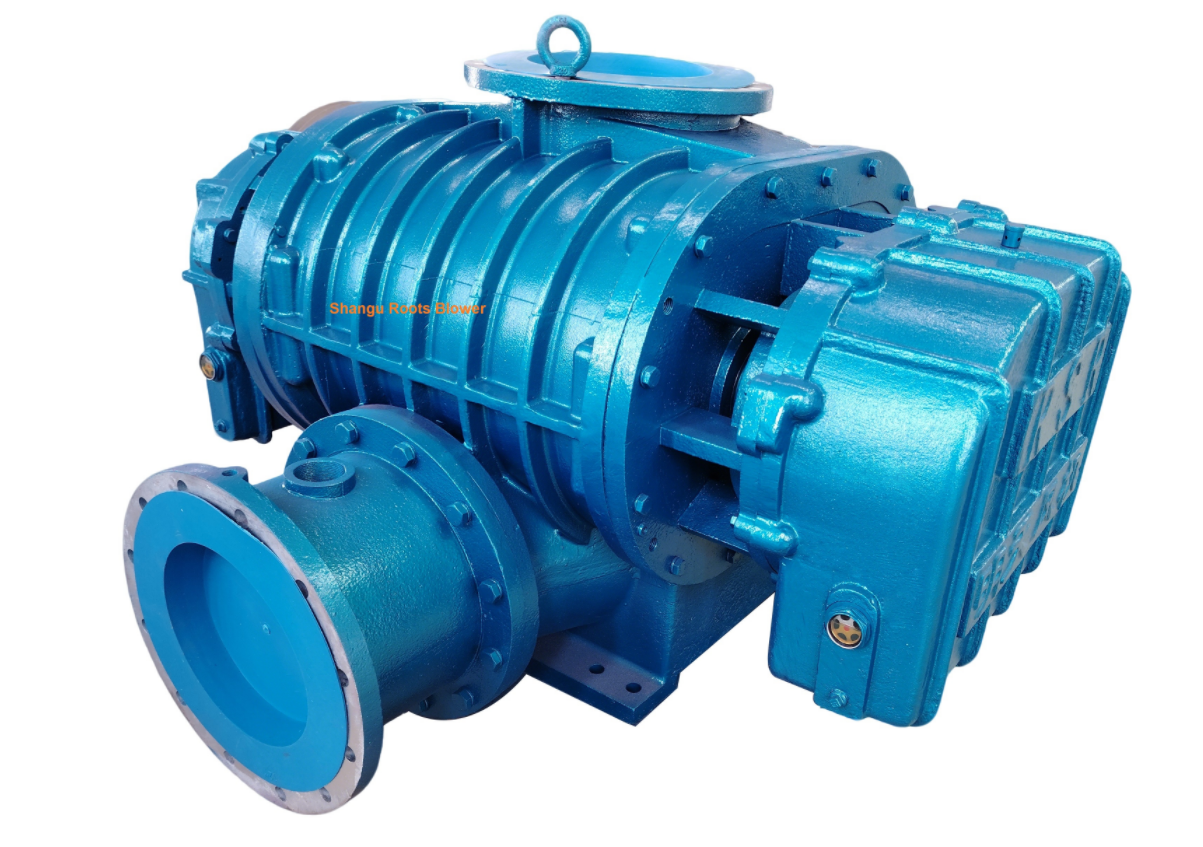
羅茨鼓風機過熱解決方案 is one of key factors during operation of roots blower. The outlet temperature of a Roots blower is a critical performance indicator that directly impacts equipment efficiency, service life, and operational safety. Excessive heat can lead to oil degradation, bearing failure, and even reduced gas delivery capacity. If you’re struggling with high outlet temperatures, this guide will walk you through proven strategies to cool your Roots blower effectively.
Why Does Roots Blower Outlet Temperature Rise?
Before diving into solutions, it’s essential to understand the root causes:
- Compressed Gas Heat: The compression process inherently generates heat.
- Friction & Inefficiency: Worn components (軸承, 齒輪) or poor lubrication increase friction.
- Poor Ventilation: Clogged air inlets, blocked cooling systems, or high ambient temperatures.
- Overpressure: Restricted discharge (例如, closed valves, pipe blockages) forces excessive compression.
7 Proven Methods to Reduce Roots Blower Outlet Temperature (羅茨鼓風機過熱解決方案)
1. Optimize Inlet Air Conditions
The inlet air is the “starting point” of the compression process. Cooler, cleaner air reduces initial heat input.
- Lower Inlet Temperature: Place the blower in a shaded, well-ventilated area, away from direct sunlight, heaters, or other heat sources.
- Ensure Unobstructed Airflow: Clean or replace inlet filters regularly to prevent dust/debris buildup, which restricts airflow and increases resistance (and thus temperature).
2. Adjust Operating Conditions to Avoid Overpressure
Excessive pressure forces the blower to work harder, generating more heat.
- Check Valve Status: Ensure all discharge valves are fully open to avoid “choking” the flow.
- Clear Pipe Blockages: Inspect discharge pipes for debris, scale, or kinks; clean them periodically.
- Monitor Pressure: Use a pressure gauge to stay within the manufacturer’s recommended range.
3. Enhance Cooling System Performance
Cooling systems are designed to dissipate heat—keep them in top shape.
- Air-Cooled Blowers: Clean heat sinks/fins regularly (use compressed air or a soft brush) to remove dust. Ensure the surrounding area has good airflow (avoid enclosing the blower).
- Water-Cooled Blowers: Verify adequate water flow (check pump performance) and maintain optimal water temperature (typically 15–25°C). Flush the water circuit annually to prevent scaling.
- Add Aftercoolers: Install an air-cooled or water-cooled aftercooler at the outlet to further cool compressed gas before it enters downstream systems.
4. Maintain Proper Lubrication
Lubrication reduces friction between moving parts (軸承, 齒輪), a major source of heat.
- Use High-Quality Oil: Select lubricants specified by the manufacturer (例如, ISO VG 68 或者 100 synthetic oil).
- Check Oil Level Regularly: Keep oil at the midpoint of the sight glass—too little causes friction; too much leads to foaming and overheating.
- Replace Oil Timely: Change oil every 2000–4000 hours (or as per manual) to prevent contamination and degradation.
5. Inspect and Repair Internal Components
Worn parts create gaps or friction, increasing heat generation.
- Check Clearances: Measure rotor-to-casing and gear clearances annually; adjust or replace worn components.
- Inspect Bearings/Gears: Look for pitting, scoring, or looseness—replace damaged bearings/gears immediately.
- Seal Maintenance: Ensure shaft seals are intact to prevent air leakage, which disrupts compression efficiency.
6. Adopt Energy-Efficient Operation Modes
Reducing compression intensity lowers heat output.
- Variable Frequency Drive (VFD): Use a VFD to adjust motor speed based on demand, avoiding constant high-speed operation.
- Multi-Stage Low-Speed Running: For large-capacity needs, split the load across multiple blowers running at low speeds (reduces single-unit compression stress).
7. Regular Preventive Maintenance
A proactive approach prevents issues before they escalate.
- Create a Maintenance Schedule: Include daily checks (oil level, noise/vibration), weekly cleaning (過濾器, heat sinks), and annual overhauls (internal inspections).
- Train Operators: Teach staff to recognize early signs of overheating (例如, unusual noise, rising temperature alarms).
Therefore the effective way of Roots blower overheating solutions: 最佳化入口條件, 調整操作, 加強冷卻, 保持潤滑, 和修理部件. By implementing these strategies, you’ll extend equipment life, improve efficiency, and avoid costly downtime. Remember: consistent monitoring and preventive care are key to long-term success.
If you have any question on Roots blower overheating issue or inquiry, pls contact us.
