
羅茨真空泵, 作為高效可靠的正排量真空裝置, 以其獨特的結構和性能優勢在製漿造紙工業中發揮著至關重要的作用. 以下部分, 從羅茨真空幫浦的核心特性出發,結合造紙製程的需求, 闡述其具體應用及在產業中的價值.
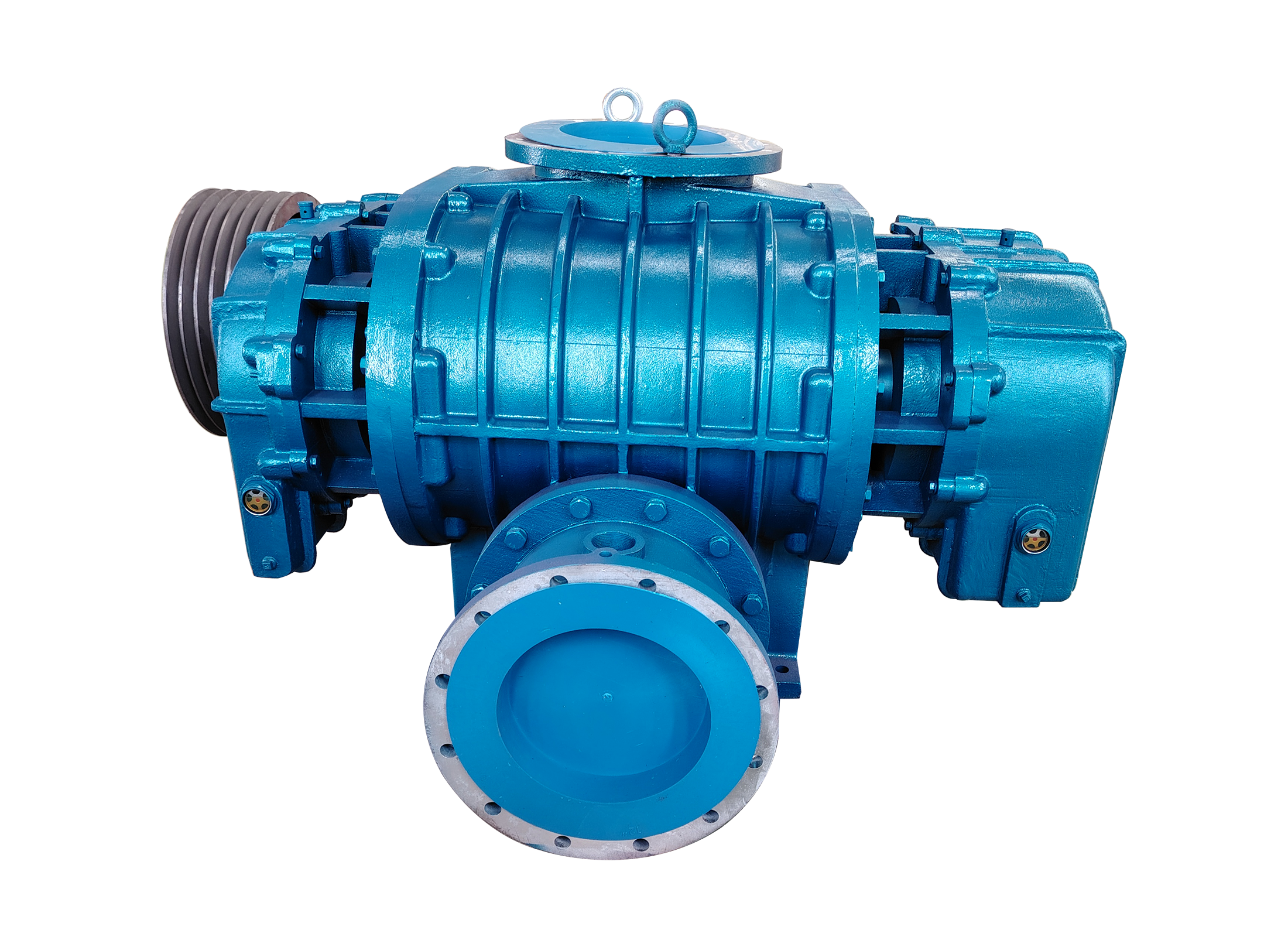
- 羅茨真空幫浦的核心特性與優勢 羅茨真空幫浦採用一對或多對同步反向旋轉的 8 字形轉子 (通常是三葉或兩葉) 以達到氣體攝入的目的, 壓縮, 並透過轉子之間的微小間隙排出. 其核心優勢可概括如下: 抽速高、排氣量大: 轉子高速旋轉 (通常 1500-3000 RPM), 單位時間內輸送大量氣體, 適用於需要快速建立真空的場景; 無油清洗特點: 大多數羅茨幫浦採用乾式設計 (無需潤滑油封), 避免油霧污染並滿足造紙業嚴格的清潔要求; 抗水蒸氣能力強: 轉子間隙大 (與旋片幫浦相比) 以及材料良好的耐腐蝕性能 (例如鑄鐵或不銹鋼) 允許直接處理含有飽和水蒸氣的氣體; 靈活系列協同: 通常與液環幫浦結合使用, 螺桿泵, ETC。, 形成一個 “前級泵浦 + 羅茨幫浦” 單元, 平衡低真空下的抽氣能力和高真空的極限真空, 提高系統效率; 運作穩定可靠: 轉子無接觸摩擦 (依賴間隙密封), 從而降低磨損和振動, 適合造紙生產線24小時連續運轉要求.
- 羅茨真空幫浦在紙漿和造紙工業中的主要應用: 造紙過程涉及多個階段, 包括製漿, 造紙, 和後處理. 其中, 脫水, 成型, 以及紙張的輸送都需要穩定的真空環境. 根真空泵, 利用這些優勢, 廣泛應用於以下場景:
- 造紙機網脫水 – 核心製程的真空支撐 線材部分 (成型部) 造紙機是濕紙頁形成的關鍵區域: 將紙漿均勻地噴塗到金屬上 (或塑料) 從流漿箱引出的線, 並需要真空脫水去除大約 80% 水的 (將濃度從0.5%~1%提高到15%~25%). 現階段, 真空箱/真空伏輥是關鍵設備, 依靠真空幫浦提供穩定的負壓 (-30~-60kPa). 羅茨真空幫浦在這方面的優勢: 高抽速可以快速回應線材斷面脫水的變化 (例如在速度增加期間), 保持穩定的真空度; 防潮性適應飽和水蒸氣 (約40-60℃) 從線段排出, 防止泵浦內冷凝或腐蝕; 無油設計可防止濕紙頁的油霧污染 (特別是高級文化紙和特種紙), 確保紙張強度和外觀.
- 壓榨部脫水-改善紙張乾燥度的關鍵步驟 壓榨部透過機械擠壓使紙張進一步脫水 (增加濕紙乾燥度 25% 到 45%-50%), 通常使用真空壓輥或靴式壓榨技術. 真空壓輥表面分佈有多個真空室, 利用負壓吸附紙片並剝離毛氈, 防止斷紙; 靴式壓榨機需要更高的真空度 (-70~-90kPa) 以提高脫水效率.
的功能 羅茨真空泵: 壓力範圍寬 (從粗真空延伸到中真空) 滿足壓榨部不同階段的真空要求; 與液環幫浦串聯使用時 (液環幫浦充當水分預處理階段, 而羅茨幫浦則提高真空度), 它可以降低系統能耗 (saving 20%~30% energy compared to a single liquid ring pump); Stable vacuum output reduces the risk of paper crushing (vacuum fluctuations easily lead to uneven paper thickness).
- Vacuum paper feeding and paper transport – a guarantee of precise control. In the papermaking process, paper sheets need to be transferred between equipment such as the drying section, calender, and winding machine. Vacuum paper feeding devices (such as vacuum suction rollers and vacuum nozzles) use localized negative pressure to adsorb the paper sheet, ensuring smooth transfer at high speeds (1000~2000m/min) and avoiding paper breaks or wrinkles.
Advantages of Roots vacuum pump 高瞬間抽速 (低轉子慣量), 能夠快速建立局部真空 (毫秒級回應), adapting to sudden demands during high-speed roll changes; Low noise and low vibration characteristics reduce interference with precision papers (such as thin sheets and capacitor paper); Modular design facilitates integration into compact paper feeding systems (such as small vacuum units).
- Blanket Cleaning and Drying – Key to Extending Consumable Life Papermaking blankets (used to support wet paper sheets and transmit dehydration pressure) require regular cleaning to remove fiber and filler residues. Vacuum suction boxes are commonly used to assist in rinsing with water or compressed air drying. A vacuum environment accelerates the evaporation of moisture within the blanket pores, improving drying efficiency.
Application value of Roots vacuum pumps: Moisture resistance adapts to the humid and hot gases (containing detergent vapor) during cleaning processes, preventing pump blockage; Low maintenance costs (no rotor contact wear) make them suitable for cleaning conditions with frequent start-stop cycles; Can be connected in series with a blower to adjust vacuum and airflow, balancing cleaning effectiveness and energy consumption.
Specification of Roots Vacuum Pump:
- Rewinding and Slitting – Auxiliary Functions for High-Precision Processing Rewinders slit large paper rolls into smaller rolls or trim paper edges. Vacuum rollers use negative pressure to fix the paper edges and prevent misalignment. The vacuum adsorption platform on the slitting machine is used to flatten the cut paper.
The Contribution of Roots Vacuum Pumps:
Stable vacuum level (within ±2kPa) ensures paper positioning accuracy (error <1毫米), improving yield; Oil-free operation avoids oil spots on the paper surface (especially affecting printability); Compact design facilitates installation next to rewinders with limited space.
三、. Roots Vacuum Pumps Drive Efficiency and Cleanliness in the Paper Industry
根真空泵, with their advantages of high pumping speed, wide pressure adaptability, oil-free cleaning, and resistance to moisture, are deeply integrated into the core processes of papermaking (脫水, 成型, and transfer), solving the pain points of traditional vacuum pumps (such as rotary vane pumps which are prone to contamination, and liquid ring pumps which have high energy consumption). As the paper industry moves towards higher speeds (vehicle speed > 2000m/min), higher grades (increased proportion of specialty paper), and greener practices, 根真空泵, through integration with new technologies such as screw pumps and magnetic levitation fans (例如, variable frequency speed control, intelligent monitoring), will further optimize system energy efficiency and help paper companies achieve cost reduction, efficiency improvement, and sustainable development.
