
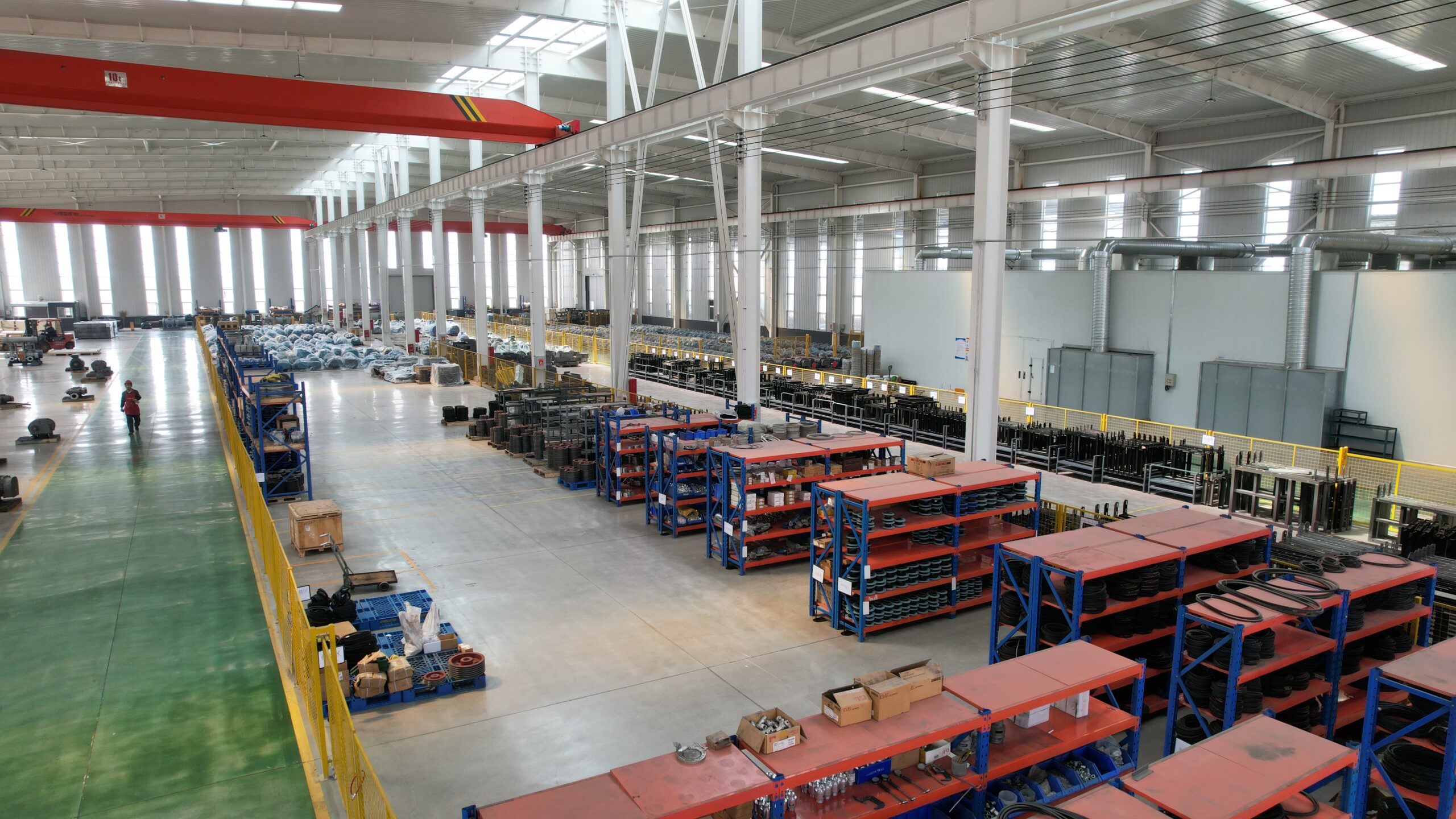
Roots Blower Udako Mantentze-gida: Gehiegizko berotzea saihestu, Babestu Eraginkortasun Bolumetrikoa & Reduce Unplanned Downtime
Target audience:Lantegiko arduradunak, hondakin-uren tratamendu-operadoreak, garraiatzeko pneumatikoen kableak, and EPC maintenance teams who run sustrai suflatzailea, sustraiak lobulu birakariak, or any desplazamendu positiboa (PD) puzgailu package in hot / hezetasun handiko denboraldiak.
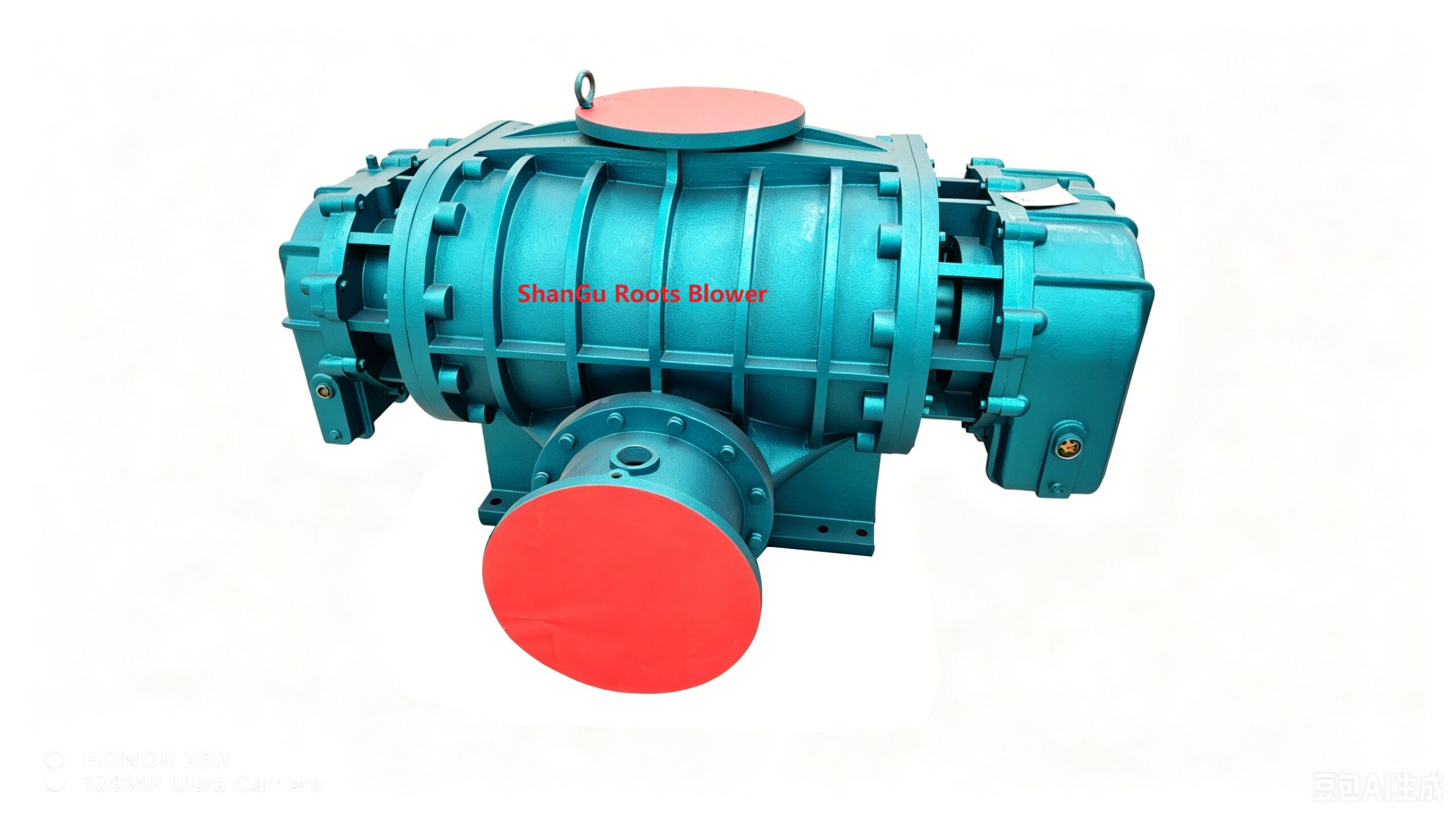
Zergatik da eguraldi beroa #1 Seasonal Threat to Your Roots Blower
A sustrai suflatzailea, (also called a sustraiak lobulu birakariaedo desplazamendu positiboa) does not compress air internally—it displaces a fixed volume per revolution. That means discharge temperature is almost entirely a function of inlet temperature + pressure rise:
Heat of compression ≈ 13–15°F (7–8°C) per 1 PSI of gauge pressure.
On a 100°F (38°C) ambient day, a typical wastewater aeration blower running at 8–10 PSI can easily see discharge air approaching 230–260°F (110–127°C). Combine that with radiant solar load on the casing, poor ventilation, and slipping belts—and you have a fast track to:
| Root Cause | Failure Chain |
|---|---|
| High ambient → high inlet temp, | Discharge temp climbs → oil thins → gear/bearing film breaks down |
| Ventilation blocked / acoustic enclosure closed, | Casing acts as a heat trap → thermal expansion → internal clearance loss |
| High humidity / rain ingress, | Moisture contaminates oil (esne-emultsioa), corrodes shaft seal lands, condensates in silencers & headers |
| Belts soften & lengthen, | Slip → friction heat → pulley overheating → motor overload |
| Overpressure from clogged diffusers / iragazkiak, | PD blower “keeps pushing” → current spikes → thermal trip or welded rotor contact |
If you buy, specify, edo zerbitzu sustraiak blower fleets, the single most valuable thing you can do between May and September is control the thermal envelope.
Temperature Guardrails You Should Enforce (OEM-Aligned)
⚠️ Always subordinate to your specific OEM manual / nameplate. These are widely accepted rule-of-thumb ranges drawn from standard sustrai suflatzailea mantentzea practice and ShanGu technical references:
| Parametroa | Good Zone | ⚠️ Yellow Flag | 🛑 Red Line / Shutdown |
|---|---|---|---|
| Bearing housing surface temp, | ≤ 75–80°C | 80–85°C → schedule inspection | ≥ 95°C, (standard hard limit in most specs) |
| Lube oil / sump temp, | ≤ 65°C preferred | 70–80°C → investigate cooling, load, oil condition | ≥ 82–90°C+ → oil life collapses; risk of varnish & seizure |
| Inlet air temperature, | ≤ 40°C | >40°C → shade / forced ventilation needed | >45°C sustained → de-rate or shut |
| Ambient in equipment room, | ≤ 35–38°C | >38°C → boost extraction | >43°C → dangerous for motor insulation too |
| Motor winding zone / terminal temp, | Per motor insulation class (typically B/F) | Trending up week-over-week | Follow motor OEM trip curve |
Key insight: most OEM documents state that oil life roughly halves for every 8–10°C (15–18°F) the sump runs above ~82°C (180°F). That means a “few degrees hotter” in July doesn’t just annoy the machine—it silently halves your oil change interval.
Ventilation & Cooling Playbook (Where Most Plants Win or Lose)
1) Kill the “Hot Box” Effect
- Acoustic enclosures must be ventilated—louvered panels, forced extraction fans, or ducted cool-air intake. A sealed enclosure in July is a slow-motion roasting chamber.
- Low-level fresh air in / high-level hot air out: create a stack effect. One 18″–24″ wall exhaust fan often solves what “opening the door” never does.
- Outdoor units: install a sun-shade / canopy, but keep sides open for cross-flow.
2) Manage Inlet Air Like a Process Variable
- Position the inlet away from steam lines, boiler exhaust, dryer outlets, and hot equipment
- Fit a weatherhood + mesh screen + serviceable filter so you never pull humid boundary-layer air or debris into the timing-gear side
- Keep at least 1–1.5× the inlet diameter of straight, unobstructed clearance around the hood
3) Cool the Oil, Not Just the Casings
For oil-lubricated roots blower compressors and heavy-duty PD packages:
- If your oil sump trends >65°C during peaks, consider an auxiliary plate-type or shell-and-tube oil cooler
- For water-cooled jackets: verify flow rate, sarrerako tenperatura, and fouling—a scaled cooler is worse than none
- Inoiz ez “solve” high oil temp by overfilling the sump (foaming, churn, seal blowout)
Roots Blower Maintenance Checklist Optimized for Summer
This is the version you want on your daily round sheet. Minimal time, maximum signal.
✅ Every Shift / Startup
| Check | Method | Pass / Fail |
|---|---|---|
| Oil level in both sight glasses | Eye-level, puzgailu stopped, | Mid-window |
| Bearing housing temp (drive & non-drive) | IR thermometer | <80°C |
| Motor casing / bearing zone temp | IR | Consistent with trend |
| Discharge pressure vs. design | Gauge/transducer | Within rated boost |
| Amps vs. FLA | Panel meter | No creeping upward |
| Leaks/drips at seals & drains | Visual | Dry |
✅ Weekly / 500–1000 Hours
| Task | Why It Matters in Heat |
|---|---|
| Inlet filter ΔP check/cleaning, | A dirty filter = restricted flow = hotter inlet = higher discharge temp |
| Belt tension & alignment, | Belts soften in heat → slip → friction heat loop; overtensioned belts preload bearings → early failure |
| Oil condition glance, | Milky = water ingress (humid climate); black/varnish = thermal breakdown |
| Condensate drains, (silencer pots, knock-out drums) | Humid air = liquid water = internal corrosion & unbalanced rotors |
✅ Monthly / Per OEM Schedule
| Task | Detail |
|---|---|
| Log temps & pressures in a trend sheet | Trends beat snapshots—catch a 3°C/week creep before it becomes a trip |
| Inspect relief valve setpoint | PD blowers will over-pressurize pipes if something downstream clogs |
| Verify isolation & non-return valve operation | Prevents backflow surges that spike load right when it’s hottest |
| Vibration spot-check | Hot days hide early rub/looseness; catch it before lobe contact |
Oil change guideline (widely referenced in OEM literature): initial oil change after first ~100 h, then interval governed by oil temperature—petroleum oils around ~2000 h at ~82°C sump temp, synthetic extending that window, but every 8–10°C above that cuts life roughly in half. In hot seasons, shorten the interval rather than gamble.

Overheating Emergency Response (Print This Near the Starter)
TRIP / OVER-TEMP EVENT
├─ 1. E-STOP → lockout-tagout
├─ 2. Open doors / fans → force cooling BEFORE investigation
├─ 3. Do NOT restart hot. Let bearings & gears soak down ≤ safe range
├─ 4. Quick-cause scan:
│ ├─ Inlet filter choked? (ΔP check)
│ ├─ Discharge isolated / valve closed?
│ ├─ Oil level low / oil milky / coolant lost?
│ ├─ Belt broken / shredded / missing tension?
│ └─ Relief valve stuck closed?
├─ 5. Restart ONLY under no-load / bypass-open condition
└─ 6. Two trips within 30 min → STOP → call qualified service roots blower tech
Hautaketa & Spec Tip (Why Working with an Experienced Roots Blower Manufacturer Saves Money)
If you’re upgrading or expanding, ask your sustrai suflatzaileen fabrikatzailea, / integrator these three questions up front:
- Is this model sized with summer ambient + worst-case ΔP in mind?
(Too tight a selection = permanent overheating mode every July/August)
- Is it air-cooled or water-cooled jacketing, and do we have reliable cooling water year-round?
(Water-cooled looks elegant until the tower water hits 32°C and the cooler fouls.)
- Are the seals and breathers humidity-rated for our site?
(Tropical / monsoon sites need proper vapor barriers and drain legs, not just “standard”.)
A properly specified sustraiak lobulu birakaria should run boringly forever. If yours is exciting in July, the problem is usually upstream of the blower itself.
When to Call a Professional Service Team
You should bring in a qualified zerbitzu sustraiak blower technician (or request factory support) when:
- Bearing temp climbs >85°C despite clean filters, correct oil, and good ventilation
- Oil turns milky repeatedly (hidden water path / seal land corrosion)
- You hear rhythmic knocking / lobe-rub sounds (thermal clearance loss)
- Vibration amplitude jumps >50% above baseline
- You plan a rotor timing / clearance reset, gear inspection, or full overhaul
We supply, install, eta zerbitzu sustraiak blower packages worldwide—from standalone positive displacement blowers to complete sustraiak blower konpresore skids with controls, cooling, and filtration. Whether you need an emergency repair, a preventive maintenance contract, or a correctly sized replacement unit from an experienced sustrai suflatzaileen fabrikatzailea, our engineering team can respond with a documented plan and spare-parts traceability.
📩 [Request a Quote / Book a Site Assessment] — tell us: Eredu / Serial · HP · Rated Pressure (PSI/bar) · Cooling type · Inlet & room temp · Recent trips— and we’ll size the fix, not just the invoice.
