

Roots Blower Compressor Pre-Start Kontrolelys & Veilige opstartprosedure: Beskerm jou toerusting, Jou span, en jou uptyd
Hoekom die Eerste 30 Minute Besluit die volgende 5 Jare van jou wortels blaserkompressor se lewe
As jy bestuur 'n wortels blaser kompressor in afvalwater belugting, pneumatiese vervoer, biogas, of vakuumtoepassings, jy weet reeds: hierdie masjiene straf slegte opstart.
Hulle is positiewe verplasing toestelle. Maak die afvoer te vinnig toe, vergeet die bypass-klep, of begin teen druk - en interne kompressie spykers, rotors hitte, gordels oorlaai, en motors reis. In die ergste gevalle, jy kyk na omhulselvervorming, seël mislukking, of 'n gebrande motor voor die skof eindig.
Daarom volg elke professionele opstart een reël: moet nooit 'n Roots-blaser-kompressor las sien totdat jy bewys het dat dit gesond is teen geen druk nie.
Hieronder is die veldgetoets Deel 3 voor-operasie volgordeBaie aanlegte dokumenteer in hul SOP - uitgebrei met die ingenieursbesonderhede wat eintlik stilstand verhoed.
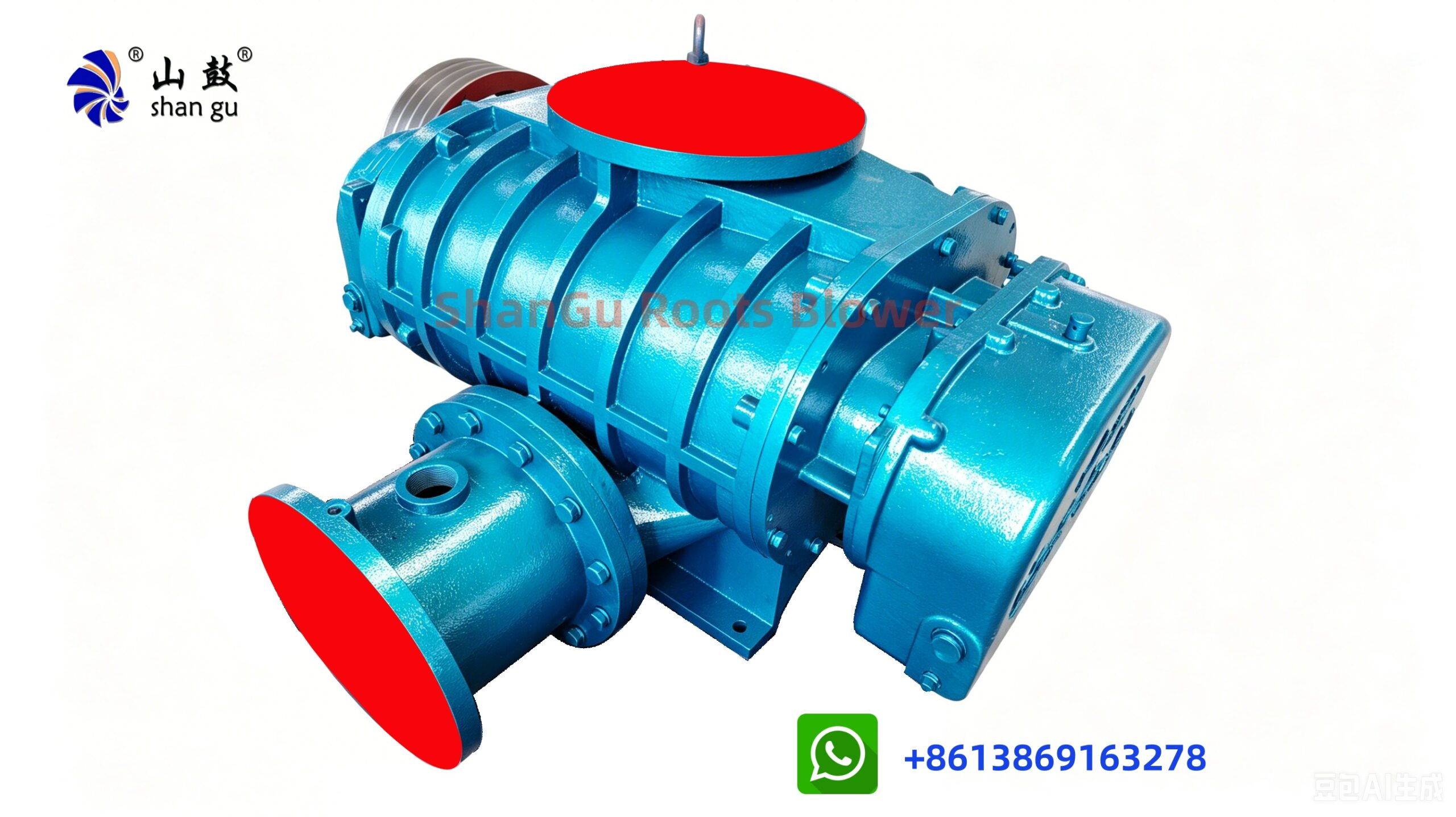
✅ Roots Blower Compressor Pre-Start Kontrolelys (Doen dit Voorheen Jy Druk “Aan”)
1) Handmatige draai / Meganiese Vryheid Kontroleer vir wortelblaserkompressor
- Draai die katrol of koppeling met die hand ≥360°, (verkieslik verskeie volle draaie, beide rigtings indien toegang dit toelaat).
- Voel vir:
- gladde rotasie - geen harde kolle nie, geen metaalskraap nie,
- geen gretig nie “sand” voel by laers,
- geen skielike toesluit nie.
- Hoekom:Interne puin, laervoorlaaiprobleme, of rotorkontak verskyn hier - voorjy gee enigiets energie. As rotasie verkeerd voel, stop en inspekteer. Moenie “probeer dit in elk geval.”
2) Roots Blower Kompressor Bypass / Verligting / Afblaasklep moet VOL OOP wees
- Verifieer die omseil (afblaas / ventilasie-tot-atmosfeer / ontslag verligting) klep is heeltemal oopvoor opstart.
- Alle handmatige isolasiekleppe in die onmiddellike suig-/afvoertrein moet in die veilige beginposisievolgens jou P&ID (gewoonlik: suig oop, afvoer wat deur verbypad gelei word).
⚠️ Reël van die duim:As die blaser teen 'n toe pyp kan druk, jy begin nie 'n blaser nie - jy bou 'n drukbom. Die Wortelsblaserkompressor staatmaak op jou hou die uitlaatpaadjie oop totdat dit loop.
3)Roots Blaser Kompressor Koelwater Voorheen Jy hardloop (Slegs waterverkoelde modelle)
- Maak koelwatertoevoer oop → bevestig vloei/druk by die uitlaat.
- Verifieer dat daar geen lekkasies by baadjies is nie, toebehore, of slangsterte.
- Nooit nielaat 'n waterverkoelde eenheid droog word, en nooitskakel verkoeling af terwyl die omhulsel nog warm is.
4) Roots Blower Compressor Point-Start (“Stamp”) om rotasie te verifieer — Bevestig dan rigting
- Met die verbypad steeds oop, (geen vrag):
- Doen a kortstondige puntlopie, (energie gee & dadelik sny).
- Kyk reguit na die katrol of koppeling.Die rotasie moet ooreenstem met die rigting pylop die gordelskerm / omhulsel.
- As dit agteruit draai:
- Ruil enige twee fases om (of korrekte VFD-rigtinglogika) — moenie probeer nie “maak dit reg” deur kleppe te sluit.
- Omgekeerde rotasie kan smeerpaaie versteur, tydsberekening-rat laai aannames, en – in stelseluitlegte met terugslagkleppe – skep gevaarlike omgekeerde vloei-scenario's.
Geen laai ingebruiknemingsfase (Die 30-minute “Bewys dit” Venster)
Sodra rotasie bevestig is en omleiding bly oop:
- Begin die Wortelsblasernormaalweg.
- Laat dit loop ≥ 20–30 minuteonder egte geen vrag / verbypad-oop voorwaardes.
- Tydens hierdie venster, loop die masjien sistematies:
| Wat om te kyk | Groen Sone | Rooi Vlag → Stop |
| Smering | Olievlak bestendig by sigglas; geen skuim oorloop nie; olieterugvoer sigbaar indien rat-tipe | Skielike olieverlies, melkerige emulsie, warm ratkas vel temp styg vinnig |
| Lekke | Geen olie sypel by seëls/pakkings nie; nul lug gesuis by flensverbindings | Aktiewe drup, spuitpatroon, of luglek by skeiding van die omhulsel |
| Geraas / Vibrasie | Bestendige lob-oorgaande toon; geen klop nie; laerkap-vibrasie voel “glad-ruw,” nie “skerp” | Metaalskrap, ritmiese klop, vinnige amplitude klim |
| Laers / Temps | Warm, nie skroei nie; geen gelokaliseerde warm plek nie | Dra te warm om binne minute aan te raak; skielike temperatuurverhoging |
| Motor | Huidige ver onder gegradeerde FLA teen geen lading | Motor wat onverwagte versterkers trek met omleiding wawyd oop → ondersoek beperking of meganiese sleur |
Wanneer om 'n Roots Blower Factory te betrek (en hoe om 'n akkurate kwotasie te kry)
Selfs 'n perfekte kontrolelys kan nie 'n regmaak nie verkeerde keuse:
- Jou stelseldruk het gestyg ná 'n prosesverandering, maar die blaser is steeds gegrootte vir verlede jaar se kurwe
- Jy benodig 'n Wortels Vakuumpompstelsel en is nie seker of die vakuum moet skei nie + druk treine of kombineer dit
- Gereelde seëlmislukkings spoor terug na wanbelyning, pype vragte, of 'n omhulsel wat nie heeltemal die regte metallurgie vir die gasstroom is nie
Dit is waar direk met 'n wortels blaser fabriekbetaal vir homself - nie net op eenheidsprys nie, maar aan totale geïnstalleerde koste en gemiddelde tyd tussen mislukkings.
Wat ons van jou nodig het om te reageer met 'n werklik voorstel (nie 'n raaiskoot nie)
[Versoek 'n keuring & Haal aan →]← WhatsApp:+8613869163278
Of stuur ons 'n e-pos direk met die bogenoemde tabel gevul: [vincent@cnrootsblower.com]
❓ Gereelde vrae (Skema-Gereed - Ideaal vir “Mense vra ook” Brokkies)
V: Kan ek 'n Roots-blaser begin met die afvoerklep gedeeltelik toe as ek haastig is?,
A: Nee. Positiewe verplasingsblasers genereer druk eweredig aan stelselweerstand. Begin teen 'n geslote of byna geslote afvoer kan die omhulsel oordruk plaas, oorlaai die motor, en veroorsaak interne skade binne sekondes. Begin altyd met die omleiding/afblaas vol oop.
V: Wat gebeur as die rotasierigting verkeerd is?,
A: Omgekeerde rotasie kan verwagte smeergedrag ontwrig, laai tydsberekening ratte verkeerd, en - afhangende van jou stelsel se terugslagklep-uitleg - laat omgekeerde gasvloei toe. Verifieer altyd rigting deur stamptoets voor volle lopie.
V: Moet ek regtig hardloop 30 minute sonder laai elke keer?,
A: Na groot onderhoud of 'n eerste keer installasie: ja. Vir roetine herbegin daagliks op 'n gesonde masjien, jou plant SOP kan dit verkort - maar die beginselbly: bevestig smering, temperatuur neiging, en vibrasie voorjy maak die verbypad toe.
V: Wat is die verskil tussen 'n Roots-blaser en 'n roots-vakuumpomp?,
A: Meganies soortgelyk (lob rotors, positiewe verplasing), maar die vakuumweergawe word deur pyp gelei om 'n vaartuig te ontruim of negatiewe druk stroomop te hou; die blaserweergawe lewer positiewe druk stroomaf. Baie stelsels gebruik beide - en verpak wortels blaser vakuum pompskids hanteer albei pligte in een trein.
V: Wie vervaardig of verskaf vervangingseenhede?**
A: Ons is 'n direkte wortels blaser fabriekmet interne bewerking, dinamiese balansering, toets-hardloop vermoë, en globale verskeping. Stuur jou naambordfoto + dienspunt en ons sal passing of opgraderingspad binne een werksdag bevestig.
