
Roots Blowers for Wastewater Treatment: The Backbone of Efficient Aeration Systems
If you’ve ever walked through a municipal or industrial wastewater plant, chances are you’ve heard the steady hum of a Roots blowers for wastewater treatment—the workhorse behind effective biological treatment. Known for their rugged simplicity and reliable performance, Roots blowers (also called rotary lobe blowers) remain one of the most trusted choices for aeration systems worldwide.
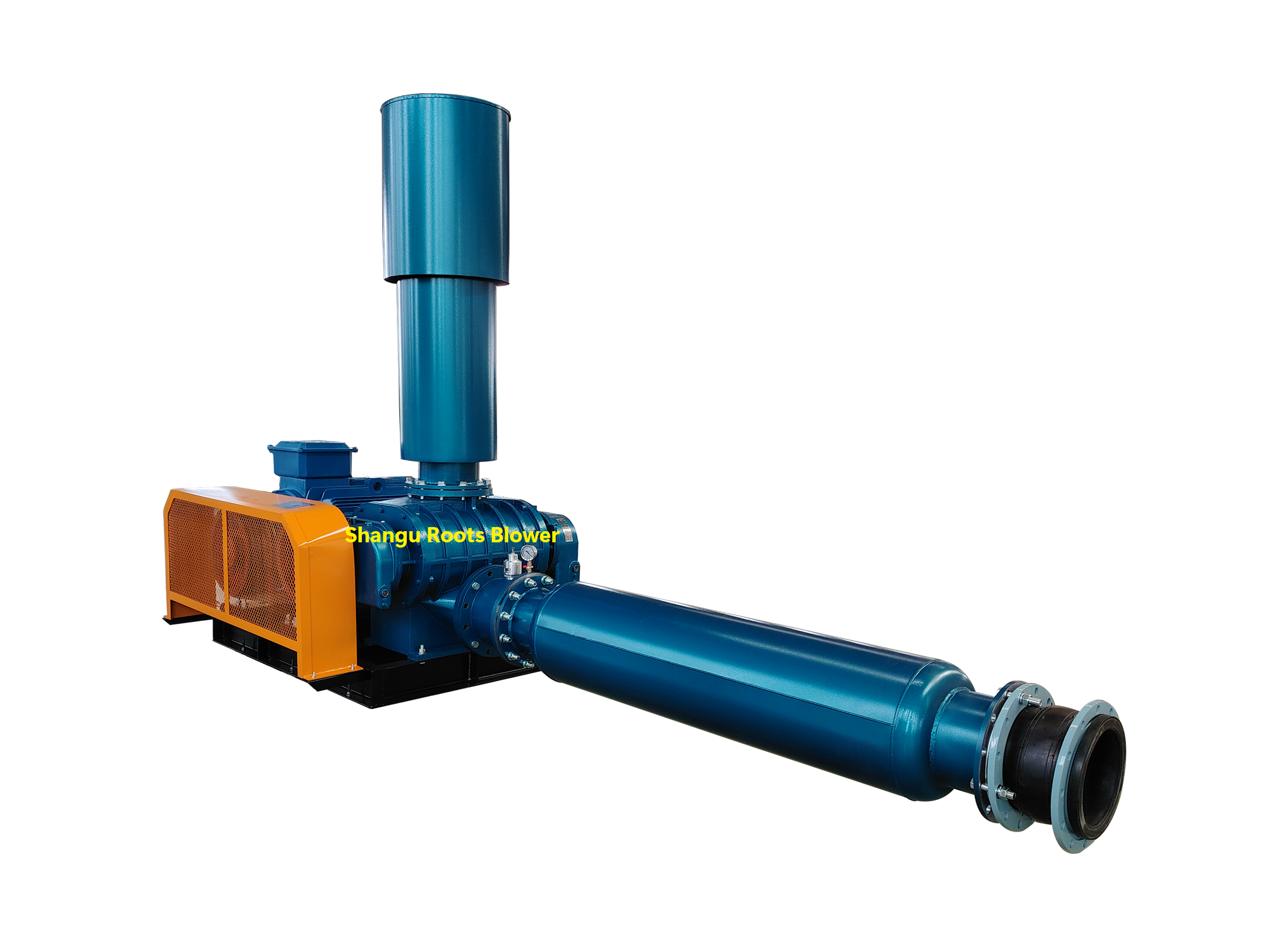
Unlike centrifugal fans, a Roots blower is a positive displacement machine. This means it delivers a fixed volume of air regardless of discharge pressure—perfect for wastewater applications where system resistance can shift during operation. With a wide VFD speed range (25–100%), these blowers adapt easily to changing oxygen demands without sacrificing stability.
Why Aeration Matters in Water Treatment
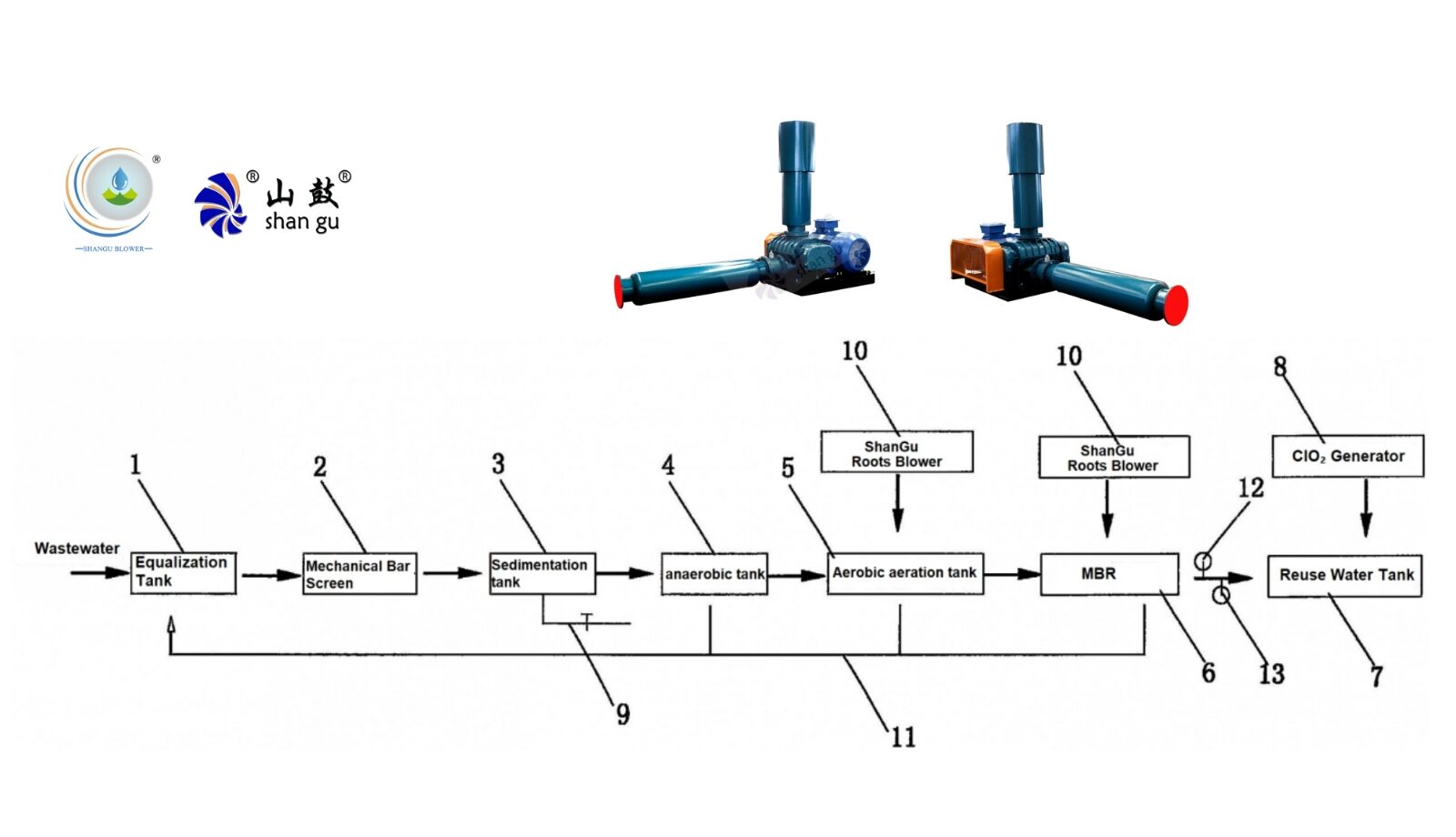
In biological treatment, oxygen is currency. By pushing fine bubbles into aeration tanks, Roots blowers for wastewater treatment increases dissolved oxygen (DO) levels, allowing aerobic microbes to break down organic pollutants, nitrogen, phosphorus, and even odorous compounds like hydrogen sulfide.
But aeration isn’t just about adding oxygen—it’s also about gas exchange. As air rises through the water, unwanted volatile substances escape, improving water quality while supporting microbial activity. In short: better aeration equals faster treatment cycles and more consistent effluent quality.
Roots Blowers vs. Screw Blowers: What You Gain
While screw blowers have gained attention for high-efficiency models, Roots blowers still dominate many plants because:
- They’re mechanically simple and easier to maintain
- They tolerate harsh conditions without complex controls
- They provide constant airflow under variable pressure
- Initial investment is often lower than advanced turbo or screw technologies
For plants upgrading older systems or building cost-effective new lines, this balance between reliability and affordability makes them a smart choice.
Energy Impact You Can’t Ignore
Aeration typically consumes 40–60% of a plant’s total power usage. That means your blower selection directly affects both treatment results and operating costs. Under-sized units starve microbes of oxygen, risking sludge bulking and permit violations. Oversized units waste energy and increase wear.
Modern Roots blowers paired with variable frequency drives (VFDs) and DO-based control systems allow plants to match airflow precisely to real-time demand—cutting energy bills while stabilizing biological performance.
Choosing the Right Blower for Your Project
When sourcing a roots blower wastewater treatment, consider:
- Required airflow (SCFM/Nm³/h) and pressure (psi/kPa)
- Noise control needs (silencers, enclosures)
- Local service and spare parts availability
- Long-term energy consumption vs. purchase price
Whether you manage a municipal facility, food-processing plant, or industrial effluent system, selecting the right aeration blower isn’t just a technical decision—it’s a financial one.
Looking for a reliable Roots blower supplier for your next wastewater project?
We supply heavy-duty, energy-efficient Roots blowers designed for continuous operation in demanding treatment environments. Contact us today to discuss specifications, lead times, and OEM options tailored to your market.
